A pool that looks clear doesn’t always mean the filter is doing its job.
Over time, filters clog, wear down, and stop keeping up with the demands of your pool. When that happens, water quality drops, equipment works harder, and small issues turn into expensive ones.
Knowing when to clean, repair, or replace your filter makes a noticeable difference in how your pool performs day to day. Getting the timing right keeps everything running as it should.
A properly maintained filter means cleaner water, less strain on your system, and fewer problems over time.
Pool Filter Maintenance Basics
The purpose of a pool filter is to suction natural and artificial debris, such as dirt, bugs, leaves, algae, or trash, keeping your water clean and safe for swimming. When not properly cleaned, pool filters become clogged, resulting in dirtier swimming water. This not only results in a less pleasant swimming experience but comes with potential health risks.
In addition to pool and water quality, a jammed or tattered filter can exert pressure on the pump, heater, and other equipment. This leads to higher electricity bills without adequately keeping the pool clean.
Pool owners need to develop a pool filter maintenance routine to avoid these mishaps. This includes cartridge replacements, pressure checks, examinations of the filtration system in general, and consistency. Though it may seem like a lot, a good routine saves money and stress in the long-term.
Which Type of Pool Filter Do You Have?
Not all pool filters work the same. The type you have affects how often it needs cleaning, maintenance, and eventual replacement:
- Cartridge Filter: The most common variety. They are the most efficient option; water waste is minimal. Cleaning or replacing the cartridges is easy, but they require more frequent maintenance and come with higher costs, lasting 2-3 years.
- Sand Filter: The least expensive option with the least required maintenance. However, they are not the most efficient option, and sand backwash can negatively affect pool chemical levels. They typically last 5-7 years.
- Diatomaceous Earth (D.E.) Filter: A common larger for larger, usually commercial/public pools. The most effective option at filtering out small particles, but the most expensive, requires the highest maintenance, and is difficult to dispose of. They typically last 5-10 years.
How Do I Know My Filter Needs Replacing?
Common signs your filter is reaching the end of its lifespan include:
- A lack of water flowing from the return jets
- Cleaning your filter every 4-6 weeks, but not seeing cleaner water
- Visible damage on your filter such as cracks or tears
Many filters have expiration or use/by dates listed on them. Though proper care and cleaning can push filters past this date, exercising a degree of caution after reaching the listed date is crucial.
Monitoring your pool filter pressure gauge is also key. High pressure indicates the filter may be clogged or has been worn down by years of use.
Factors that Influence Filter Replacement Frequency
Several factors indicate how often pool filters need replacement. Some put pressure on filtration systems that shave off years, but others can help you get the most out of your pool filter. These include:
Surrounding Natural Environment
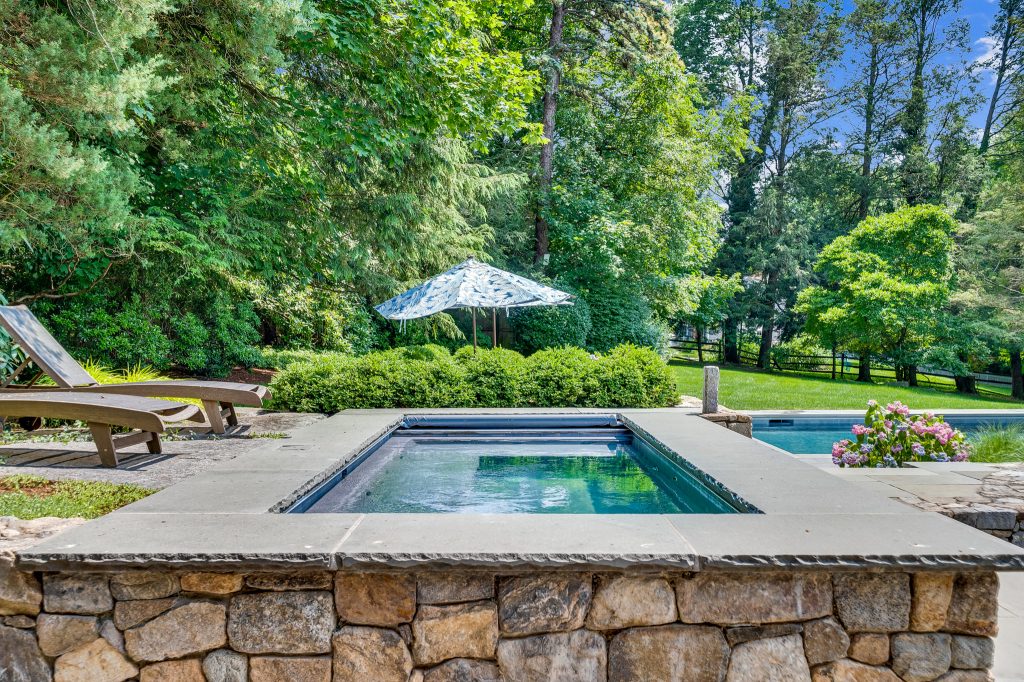
Pools surrounded by trees or shrubs se higher degrees of natural debris, particularly in the form of leaves. This puts more pressure on pool filtration systems, necessitating more frequent cleanings and on a long-enough timeline, replacements.
Likewise, climactic conditions can impact filters. Though pools are commonly thought of as optimized for summer, heavy heat and humidity can and do affect pool systems like your filter. Windier climates also have the potential to bring more natural debris into your pool.
Most of The United States excepting New England, The Southeast, and the Pacific Northwest receive water described as being moderately to exceptionally hard. Harder water is more prone to chemical imbalances, such as high pH or calcium, which can further put pressure on pool filter systems.
Frequency of Pool Use
Unfortunately, pools that receive heavy use (or a higher quantity of swimmers) often result in more frequent filter replacements. All three major types of pool filters are designed to absorb particles thinner than human hair. Even natural oils from human skin or artificial lotions can be absorbed by filtration systems. For major summer pool parties or families with multiple kids, this impact adds up over months and years.
Proper care
Replacing sand/cartridges when necessary, keeping chemicals balanced, preventing natural debris accumulation, and other aspects of proper pool maintenance enable your filter to continue working properly, which contributes to a longer lifespan and better functionality.
How to Get the Most Out of Your Filter
If you are looking to ensure a long lifespan for your filter and keep your pool debris-free, certain maintenance strategies can work in your favor. Sometimes, it is as complicated as a “strategy” but simply follows basic rules. We recommend the following:
- Clean filters regularly. For cartridge filters, clean and rinse every 4-6 weeks, or after crowded swim sessions. For sand and D.E. filters, perform periodic backwashes when it seems necessary.
- Maintain proper chemical levels. Balanced water chemistry prevents algae/bacteria growth and makes for a more pleasant swimming experience. It is also easier on your pool filter.
- Use skimmers. Pool skimmers and nets allow you to catch larger debris before they make it into your filter.
- Don’t over-exert your filter. Depending on the size of your pool and type of filter, 8-12 hours is the standard length of a filtration cycle. Running one of these cycles once a day is all that is generally necessary to keep your pool clean.
- Consider professional service. Pool maintenance professionals can check your filters and other systems for any signs of damage or malfunctions that may not be clear to independent pool owners.
Keep Your Pool Filter Working the Way It Should
Your pool filter does more than most homeowners realize. Staying ahead of maintenance keeps your water clear, protects your equipment, and avoids unnecessary repairs.
If you’re unsure whether your filter needs cleaning or replacing, Shoreline Pools can assess your system and recommend the right next step. Call our services department at (203) 357-1544 or send us an inquiry form here.