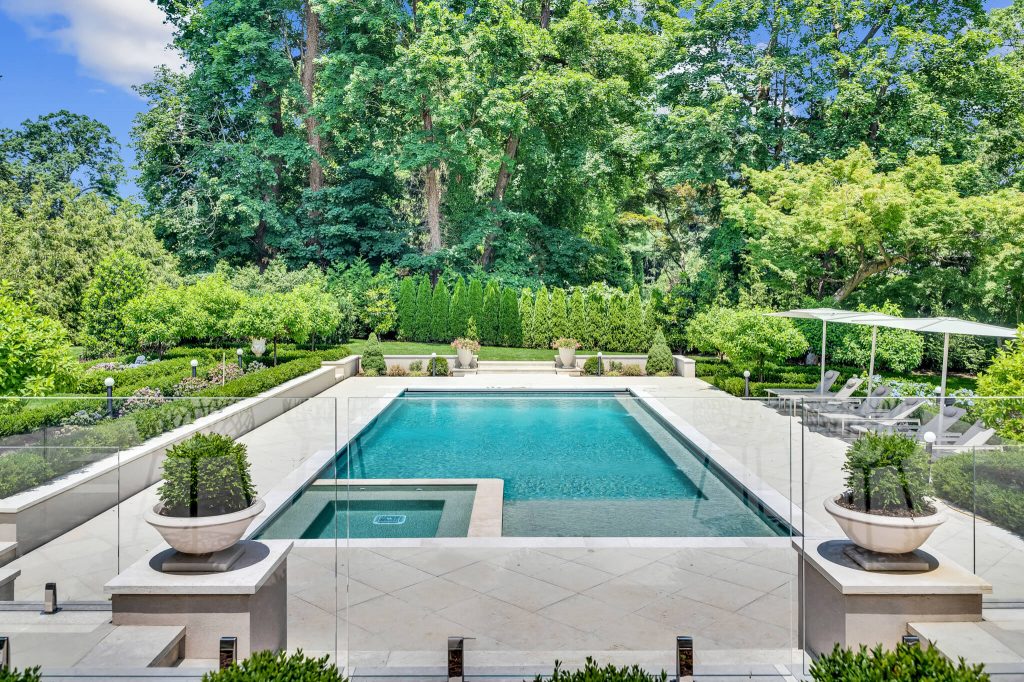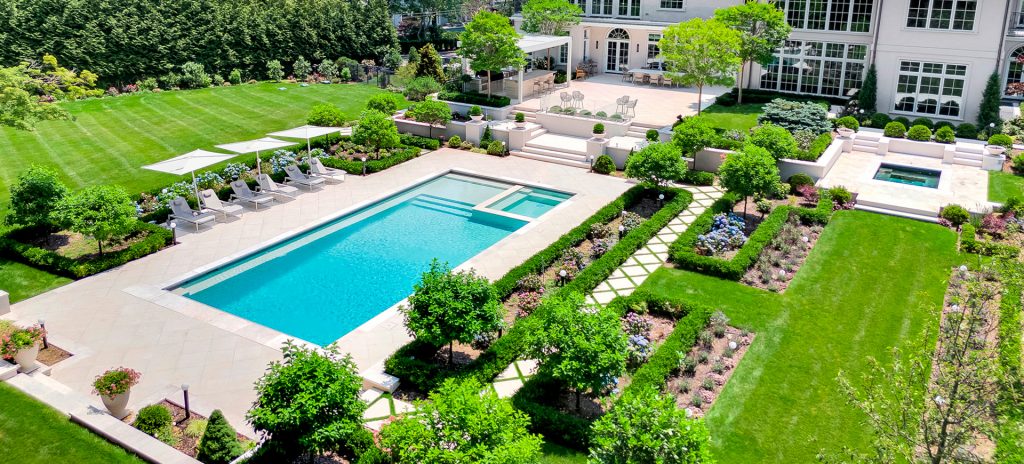
After a cold, bleak winter, there is nothing quite like hearing “summer is approaching!”
The sun sets later. Temperatures rise into the 90s. Humidity frizzes your hair, sweat beads on your eyebrows, and your clothes begin to stick to your skin.
This calls for a pool day.
As we enter the summer season, many homeowners open their private pools for a personal, refreshing break from the summer heat. They quickly find their whole days being spent relaxing by the poolside.
Installing a private pool opens many additional opportunities in addition to relaxation. It creates a social environment for children to hangout and families to bond.
Pools also encourage a fun, low-impact way to exercise the full body, even for people with joint stress or disabilities who are hindered from many normal exercises.
Planning Your Dream Inground Pool:
Transforming your backyard into a custom, luxury pool is a versatile and rewarding project. However, a thorough plan is required to keep this process running smoothly.
Realistically, the entire pool construction process can take up to 16 weeks. This includes a 3–6-week planning and permitting stage.
With steady weather, the optimal seasons to begin the building process are usually the spring or fall seasons. To avoid hidden delays, begin planning as early as two months pre-construction.
1. Creating a Design Blueprint
Homeowners should begin by identifying reasons they want and need their pool to guide the pool design. For example, should the pool’s shape be long and rectangular for swimming laps, or circular to facilitate socialization?
Important things to consider when planning pool construction:
- Purpose of the pool
- Shape of the pool
- Size & Backyard space
- Depth of water
- Additional water features like waterfalls
- Add-ons like diving boards
- Materials
- Pool Type (Fiberglass, Vinyl, Concrete)
- Project Timeline
2. Work with a Trusted, Licensed Pool Building Service
Choosing the right pool type, layout, and features is often complex and confusing. Consulting expert pool designers and constructors frequently speeds up the planning process. They also assist with permit processes and creating the optimal schedule for construction, factoring in weather and supplies.
Communicating with the building service during the planning stage allows for full transparency and a detailed breakdown of costs to expect. Generally, a vinyl inground pool is less expensive compared to fiberglass and concrete (Gunite).
Review costs for:
- Type
- Materials
- Preparation
- Construction
- Long-term maintenance
Homeowners should ensure that the service providers they choose to work with are licensed and reputable. Review the website and any reviews for qualifications.
3. Acquire All Required Permits
Depending on the State, Municipalities, Township, and Community, there are different restrictions and regulations on pool installation. Obtaining a private pool permit requires plans to adhere to specific zoning, safety, and health regulations.
The National Pool authority outlines a list of these regulations for many states, including NJ Homeowners and NY Homeowners. Connecticut Homeowners can find state specific regulations here.
Once the plans are approved, the construction process can truly begin.
6-Step Building Begins:
1. Backyard to Pool Site Prep
Pool construction begins by mapping out the paper plans onto the yard. Homeowners should remove any equipment, like tables or gardening tools, from the yard prior to the builder’s visit. Additionally, cleaning debris or rocks from the yard will speed up the site preparation process.
Once the ground is clean and empty, pool builders will map the pool layout onto the yard using spray paint, stakes, or string lines. At this time, it is critical to reevaluate if the pool will impede property or utility lines.
Additionally, walk around the pool layout. Is the space comfortable? If not, voice any concerns to the pool builders immediately.
2. Excavation Process
Installing an inground pool requires pool builders to dig a hole in the yard. Typically, the excavation process takes 3 to 5 days to complete but depends on the soil type. If the ground is soft, rockless, and in a warm climate, this process can be completed quicker.
Excavation is exciting but can be dangerous. The big, heavy machines work quickly and systematically to break and remove the dirt. Make sure to restrict the area from small kids and pets to avoid injuries. Instead, having them watch from a window inside the house keeps them safely involved in the pool construction process.
The excavation process and machines are loud. Homeowners should expect a lot of noise and disturbance during these few days. Avoid needing access to the yard to not disrupt the digging.
3. Framework and Plumbing
Pool builders will then place steel rebars in the hole to mold the grid-like framework for the pool. Maintaining structural integrity of steel framework ensures the immense water weight is safely handled by the pool.
The pool plumbing and electrical system are also installed during this stage. Main drains, return lines, jets, and other features will be inspected prior to the shell installation, checking functionality, safety, and regulations.
4. Shell Installation
With the steel framework and the plumbing finished, the pool shell can be installed. The shell installation process differs based on the type of pool chosen: vinyl, fiberglass, or concrete.
- For Vinyl Pools: Custom-fitted vinyl liner is snapped into place
- For Fiberglass Pools: Pre-manufactured shell that is often placed in by a crane
- For Concrete Pools: Onsite spraying of Gunite or shaping Shotcrete onto frame of pool; requires 7-10 days of curing post-installation
5. Tile and Decking
Once the pool shell is prepped and smooth, the pool coping is installed at the perimeter of the pool. The different styles influence the visual design, comfortability, and protection of the pool.
Tiling focuses on the area inside the pool for all types. They are typically made from porcelain, glass, or ceramic, and come in a variety of sizes. After coping installation, the tiles are pressed firmly into the mortar and sealed using grout.
Decking focuses on the area outside the pool. Poured concrete is a popular method of decking the space between the landscaped backyard and the pool’s surfaces. Additionally, fencing around the pool may be mandated depending on local and state pool regulations.
6. Equipment Installation & Final Touches
Once the aesthetics and structure of the pool are completed, the focus shifts to features and functionality. Pool electricians and technicians will install important operation systems.
Some systems include:
- Pool filtration pumps
- Pool heaters
- Automated control panels
- Light systems
- Sanitizing or chlorine system
For concrete inground pools, an interior finish is needed, commonly made from plaster. These interior finishes add additional protection and aesthetics to the pool.
The pool looks complete, but it’s missing something: the water. The last step is for the pool to be filled, typically by a hose or water truck. The water chemistry and pH levels are then balanced and inspected for final safety checks.
Finally, after the pool is approved and builders train the homeowners on long-term maintenance, the pool is ready to be the home of new summer memories. Get ready to splash and swim for hours with friends and family for many summer seasons to come.
3 FAQ During the Pool Construction Process
1. What Type of Inground Pool Should I Get?
Types include Vinyl, Fiberglass, and Concrete (Gunite). You should review the costs, features, and installation process of each type of inground pool before deciding.
- Vinyl is the more affordable, but lower quality option.
- Fiberglass is the popular choice for its long-term quality and quick installation.
- Concrete is the best pick for total customization but requires additional long-term maintenance.
2. What Happens If Bad Weather Hits During Pool Construction?
Bad weather, like heavy rain or freezing temperatures, will delay the pool construction process. The excavation and concrete-pouring stages are mainly affected due to soil and curing disruption.
To avoid these delays, construct a timeline around the weather forecast, typically during the spring or fall seasons.
3. Do I Need a Fence Around My New Inground Pool?
Yes. Most states mandate a pool barrier or safety fence to prevent accidental drownings and break-ins. Check with your local and state safety regulations for specific pool barrier requirements.
Build Your Dream Pool with Shoreline Pools
Dreaming of submerging yourself in cool, refreshing water this summer? Turn that dream into reality by transforming your backyard into your very own, luxury inground pool with Shoreline Pools.
Shoreline Pools has been crafting premium pools for over 50 years, elevating dreams into the big splash of the summer.
Call 203-967-1203 today and schedule a design consultation and quote with our construction team.