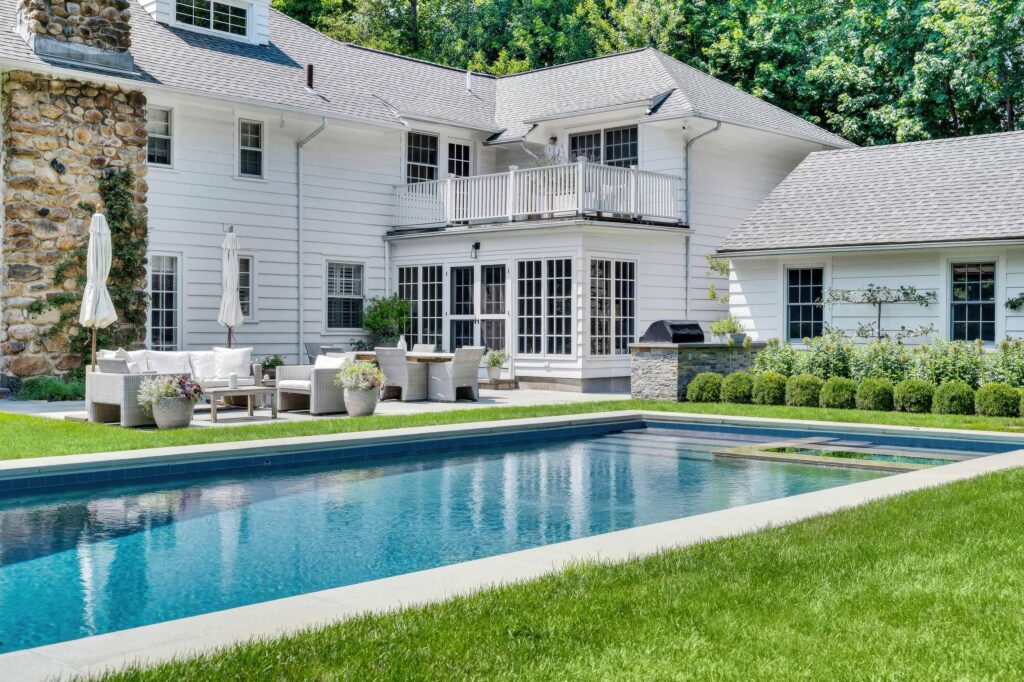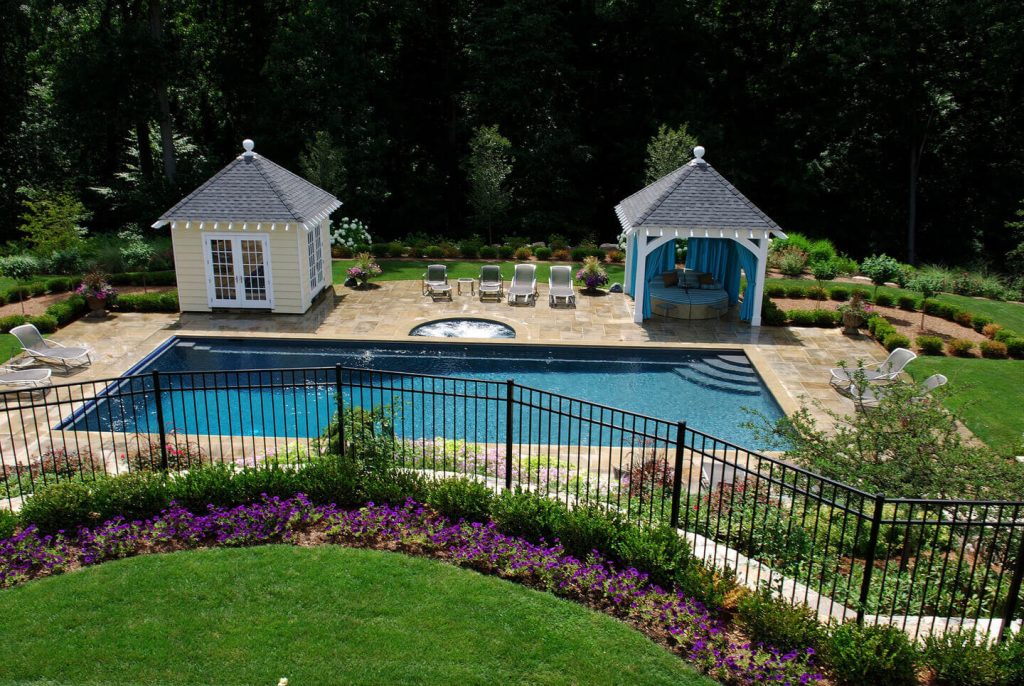
Its a common scenario: you want a beautiful Connecticut backyard, but it also needs to meet safety requirements. The rules for pool safety in CT can be a turnoff if you’re picturing bulky fences or visible alarms. But it doesn’t have to be that way! Modern pool design and thoughtful planning can let safety vanish into the background while still protecting your property and family. All it needs are the right materials and layouts.
Quick Answer
You can meet requirements for pool safety in CT without spoiling the look by using design-friendly solutions like frameless glass fencing, low-profile alarms, landscape-integrated barriers, and an automatic cover in CT. These features meet code, please insurers, and protect families while staying visually clean. With early planning, safety becomes a seamless part of a luxury outdoor space.
Pool safety in CT refers to the set of Connecticut-required barriers, alarms, and access controls designed to keep families safe around residential pools.
Why CT Pool Safety Rules Matter When You Want a Beautiful Backyard
Requirements for pool safety in CT reduce accidents and protect children and visitors. They may seem strict, but it’s a necessary evil to preserve life and property. By design, these rules include wiggle room for attractive solutions that match modern or traditional backyards. Just how subtle safety features can get may surprise you.
Many CT homeowners begin their project wanting a clean, design-forward space. Understanding rules around Connecticut swimming pool barriers and safety layering helps prevent last-minute additions that ruin the flow of a beautiful yard.
Concerns usually appear during the planning phase, when homeowners picture heavy gates or fences that block the view. Today’s design-forward materials give you more flexibility than ever. With the right approach, safety blends into the background instead of screaming in your face.
What CT Pool Safety Rules Actually Need From Homeowners
Connecticut’s code focuses on predictable and consistent protection. The rules include barriers, alarms, and reliable access control. These layers work together to keep family members and guests safe.
Without understanding Connecticut pool code requirements upfront, you’ll have to pay for redesigns later. Safety should be a natural part of the aesthetic from the get-go.
Homeowners should understand these rules before choosing finishes and accessories. Early knowledge helps avoid last-minute changes that disrupt the design. Below are the major requirements every pool must consider.
The Must-Know CT Pool Code Requirements Before You Build
- Barriers with specific height and spacing measurements
- Self-closing, self-latching gates
- Pool alarms or door/gate alarms
- Access control when the home forms part of the barrier
These requirements shape the strategy for pool safety in CT. Still, each one can support a design-driven backyard when done correctly.
CT Requirements and Their Visual Impact
| Safety Component | CT Rule | Visual Reality | Design Opportunity |
| Barriers/Fencing | Min. height, spacing, no climb zones | Visible but customizable | Transparent or architectural materials |
| Gates | Must self-close and self-latch | Hardware required | Concealed latches or integrated posts |
| Alarms | Often required | Minimal visibility | Hidden housings and smart tech |
| Automatic Cover | Optional but insurer-preferred | Hidden when open | Clean, uninterrupted lines |
Many homeowners across Connecticut ask whether landscaping can replace a fence. It can’t in most cases, but it can accentuate compliant Connecticut swimming pool barriers.
For more ideas on designing in harsher coastal conditions, you can also explore what makes a pool “made for the coast” in CT.
Pool Fencing Ideas That Meet CT Rules Without Blocking Your View
Fencing surrounding a pool does not have to look heavy or distracting. Many materials maintain your sightlines while satisfying CT pool fencing rules. The goal is to give the space a safe perimeter without changing the atmosphere of the backyard.
Understanding these design options early helps CT homeowners plan a fence that feels intentional. Choosing materials at the start avoids mismatched or bulky replacements later.
Glass, Cable, and Modern Fencing Options That Keep Your Yard Open
Frameless glass fencing remains a top option for design-minded homeowners. It protects swimmers without interrupting the view. Cable rail systems offer sleek horizontal lines that match modern homes and waterfront properties.
Slim metal fencing is also effective. These fences use narrower posts and dark finishes that blend into the background. When positioned near plantings, they fade from perception even more.
Ways to Make Barriers Feel Subtle
Homeowners can align fences with curves in the landscape to soften the shape. Designers often choose colors that match window frames or exterior trim for consistency. Landscaping adds another layer of softness by partially screening fence posts and panels.
Combining structural and natural materials creates a seamless look. When done well, most visitors never notice the barrier at all.
Why an Automatic Cover in CT Is the Cleanest Safety Solution
Automatic covers in CT are a huge help in cleanly meeting safety expectations with as little visual change as possible. They help manage debris, evaporation, and seasonal shifts. When the pool’s not in use, they also offer a consistent barrier.
This option appeals to homeowners who want a beautiful yard with minimal visible safety hardware. It simplifies daily safety routines and supports a modern design style.
How an Automatic Cover CT System Protects Your Family and Your Design
Automatic covers open and close using a track system hidden under coping or decking. When retracted, the cover disappears completely. This gives homeowners a neat, streamlined pool deck.
Families appreciate the peace of mind these covers offer. They are strong enough to support weight in emergencies and create an effective physical barrier. They also help maintain water clarity, reducing maintenance work.
Insurance and Interlock Advantages
Many insurers in Connecticut favor automatic covers as part of a layered safety plan. Interlock systems verify the cover only works under safe conditions. This feature helps reduce accidental openings and provides an extra layer of reliability.
Where Automatic Covers Work Best
Rectangular pools benefit most from automatic covers. The parallel tracks allow smooth operation and stronger tension. Freeform designs can use these covers too, but need early coordination to keep the look clean.
Discreet Pool Alarms and Access Controls That Blend Into Your Yard
CT pool safety rules often include alarms as part of compliance. Most people think these alarms are bulky by default, but modern units are small and discreet. They’re simple to integrate a critical points without altering the look of their yard.
Smart Safety Tech CT Homeowners Use to Keep Backyards Clean and Safe
- Gate alarms recessed into posts
- Magnetic latches hidden inside the fence structure
- Surface wave alarms in neutral colors
- Door alarms connected to smart home systems
These alarms stay out of view while providing immediate alerts. They act as a backup layer that helps reinforce the main barrier.
For a deeper dive into barrier and alarm must-haves, you can also read Shoreline’s Hudson Valley pool barrier and alarm guide.
Strategic Placement for a Cleaner Look
Installers often place alarms inside door frames or behind beams. Pergolas, fences, and outdoor kitchens offer natural hiding spots. The goal is to keep all technology accessible but visually quiet.
Pool Lighting That Makes Your CT Backyard Safer and More Beautiful
It’s impossible to overstate lighting’s role in modern pool safety. Without it, it gets that much harder to navigate steps, edges and decks when it’s dark out. It also supports safety monitoring through cameras and window views.
Lighting is especially important for Connecticut homeowners who host gatherings or have multi-level landscapes. Good lighting keeps transitions clear and reduces nighttime risks.
Why Lighting Helps With Pool Safety
Soft, indirect lighting reduces the chance of tripping or slipping. It helps people see changes in elevation around the pool. Lighting also adds a sophisticated touch to nighttime gatherings.
Recommended Lighting Options
Path lights guide movement around key access points. Step and coping lights highlight edges so swimmers can reorient themselves. Landscape uplights contribute to both ambiance and perimeter visibility.
Best Practices for Connecticut Backyards
Warm color temperatures help create a relaxing mood while supporting visibility. Homeowners should avoid glare on the water surface. A balanced layout guarantees guests can move confidently around the entire pool.
What CT Homeowners Should Know About Pool Safety and Insurance Rules
Insurance companies rely on standardized safety features to reduce risk. Their requirements often mirror state rules but may go further depending on coverage type. Homeowners who meet these expectations maintain both safety and coverage continuity.
If you don’t understand residential pool insurance requirements in Connecticut, you’ll run into surprises during underwriting or policy renewal. These expectations shape which safety choices are most valuable.
Common Requirements From Insurers
Insurers often check for functional gates and verified barriers. They may request confirmation that alarms work properly. Documentation of an automatic cover in CT is sometimes recommended, especially for families with children.
Maintaining Style While Meeting Insurer Requests
Metal finishes on hinges and latches can match existing exterior accents. Place control panels inside a garage, mudroom, or pool house for a cleaner look. These small choices help the backyard remain cohesive.
Safety Features Insurers Frequently Approve
- Automatic covers with interlock systems
- Transparent fencing with polished edges
- Gates positioned slightly above grade for reliable closure
Seasonal Pool Safety Tips Every Connecticut Homeowner Should Follow
Connecticut’s changing seasons affect pool equipment and safety routines. Cold weather, soil movement, and storms all play a role. Seasonal checkups prevent small issues from turning into design or safety concerns.
At Spring Opening
Check gates for alignment and proper latch operation. Fences may shift slightly during winter and need adjustment. Alarms and automatic covers should be tested to confirm proper function.
At Fall Closing
Automatic covers often stay closed more frequently during colder months. Homeowners should watch for leaf accumulation and snow loads. Off-season safety matters, especially when children or pets still use the yard.
How to Plan Pool Safety Into Your CT Backyard From the Start
Designing a pool with safety in mind creates a smoother and more attractive result. Last-minute additions often look out of place. Early planning ensures all safety elements feel intentional.
Many Connecticut homeowners begin with a strong design vision. Planning safety at the same time helps preserve that vision while meeting every need.
Your CT Pool Safety Planning Checklist
- Confirm pool orientation and barrier needs
- Choose fencing styles that match the home
- Pre-wire for alarms, lighting, and control systems
- Use landscaping to soften visual edges
- Determine the best location for the automatic cover vault
A design-driven approach helps safety become a natural part of the environment.
Key Pool Safety CT Takeaways for Homeowners
- Pool safety in CT rules allow many visually subtle solutions.
- An automatic cover CT system provides one of the cleanest safety upgrades.
- Transparent fencing and slim profiles preserve backyard sightlines.
- Lighting and landscaping help safety features feel fully integrated.
- Early planning keeps safety requirements aligned with design goals.
CT Pool Safety Can Support Your Design When Planned the Right Way
Meeting the requirements for pool safety in CT while maintaining a beautiful backyard is entirely possible with today’s materials and technology. Design elements like glass fencing, low-profile alarms, and automatic covers add strong protection without detracting from the space. With early planning, every safety feature becomes part of a calm, cohesive outdoor environment built for everyday enjoyment.