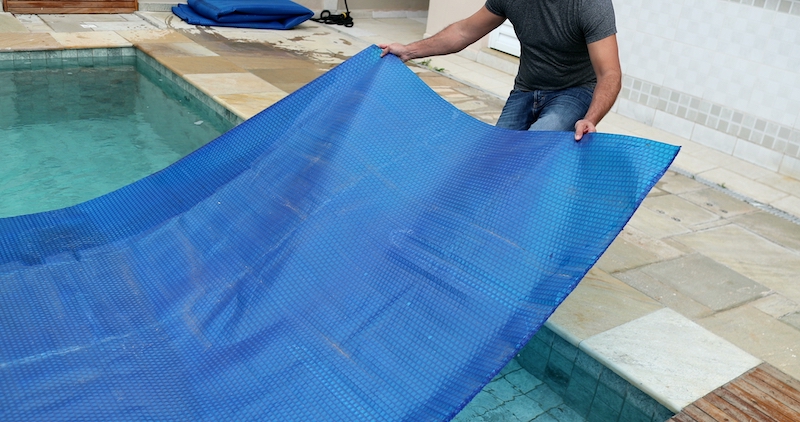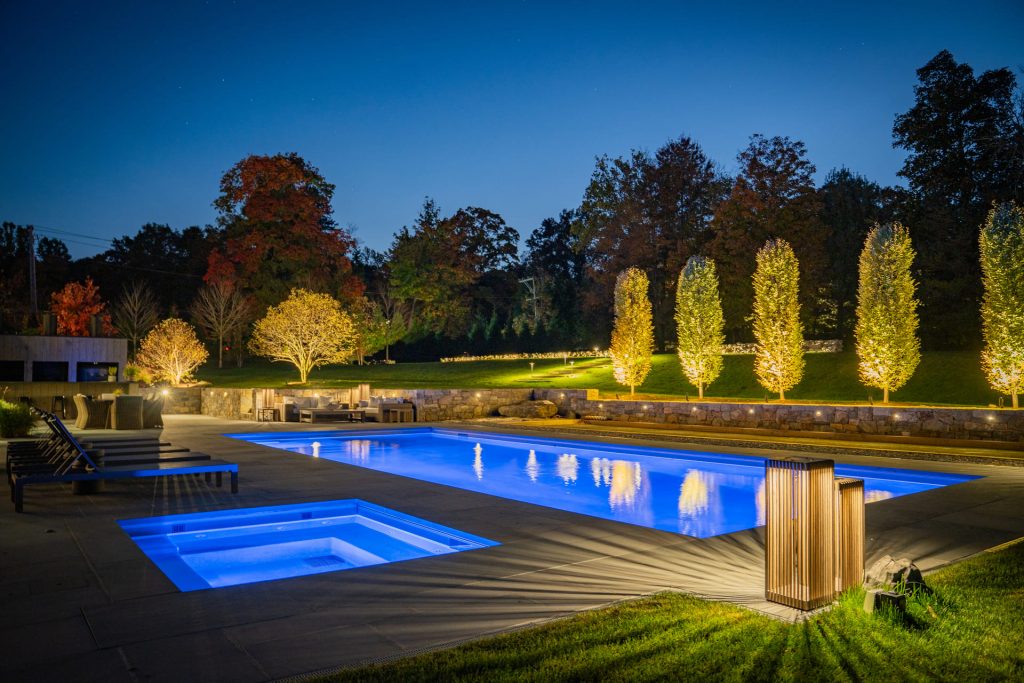
Older pools across Connecticut still have vinyl liners withering away with age. In their twilight years, these liners’ colors can fade, wrinkle, or even fail. When that happens, homeowners consider vinyl to concrete CT solutions with better durability and design versatility. That versatility goes a long way in helping pools reflect a more modern, longer-lasting style. Thus, exploring vinyl to concrete pool conversions in areas like Fairfield offers a durable, customizable alternative.
A vinyl-to-concrete CT conversion simply means removing the old vinyl structure and replacing it with a reinforced concrete shell. This creates a stronger, more customizable design that performs better in Connecticut’s freeze–thaw climate. As more families explore their options for pool renovation in Fairfield, there’s one big question that comes up:
Should You Upgrade From Vinyl to Luxury Concrete? The Quick Answer
A vinyl-to-concrete upgrade is worth it when your liner shows frequent wear, your pool feels outdated, or you want a long-term structure with more design choices. Concrete lets CT homeowners add steps, benches, shelves, lighting, and smart automation that vinyl can’t support. For many households, this upgrade delivers a stronger, more beautiful pool that lasts far longer than any liner.
Why CT Homeowners Are Switching from Vinyl to Concrete Pools
Many Connecticut vinyl pools are decades old, so the original structure is now aging. Even with good maintenance, liners break down faster in climates with strong temperature swings. Replacing liners every few years becomes frustrating, even more so when the price gets involved.
Concrete offers a long-term answer. Its reinforced structure stands up better to CT winters, and its finish choices provide a high-end look. This makes the vinyl to concrete in CT path appealing to homeowners who want better performance and a custom backyard aesthetic.
Why Fairfield Homes Benefit Even More from a Concrete Upgrade
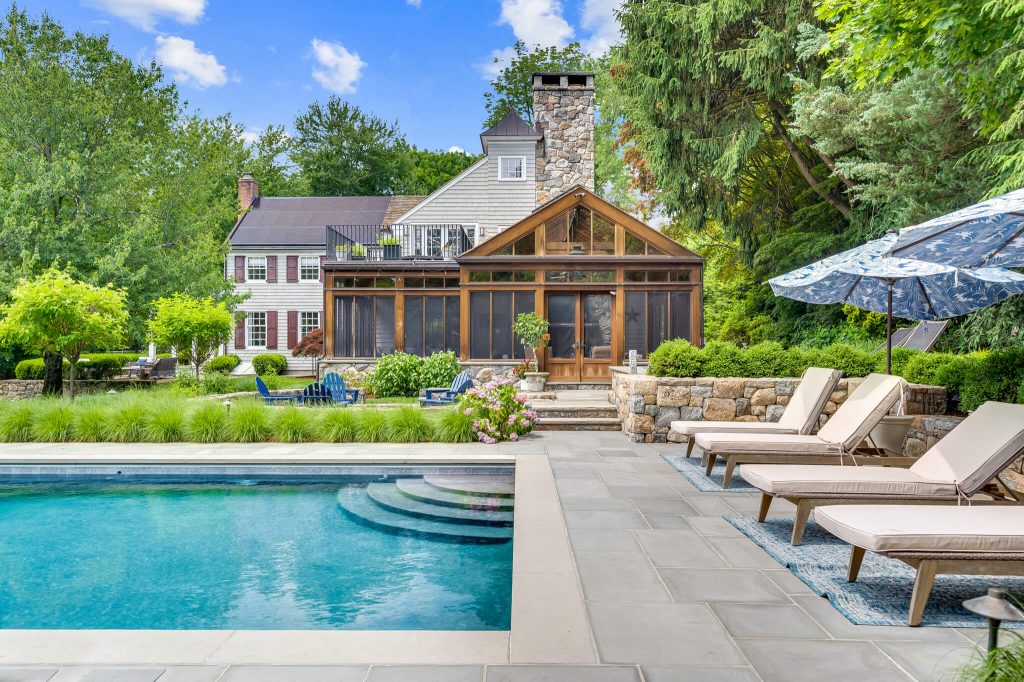
Homes in Fairfield and the surrounding towns often have mature landscaping and established outdoor living spaces. A vinyl pool can feel out of place against that backdrop. But a luxury concrete pool is easier to blend into stone patios, custom lighting, and outdoor kitchens.
Because the area has a strong design-focused market, searches for pool renovation in Fairfield continue to grow. Fairfield homeowners want a pool that adds long-term value, and concrete consistently meets that expectation.
What Really Happens During a Vinyl-to-Concrete CT Conversion
A vinyl-to-concrete upgrade is more involved than a liner replacement. It requires removing the original structure, installing new plumbing, and building a concrete shell that matches your new layout. It’s enough of an undertaking to offer homeowners the chance to redesign the pool completely.
The upgrade includes new hydraulics that improve circulation and reduce noise. This is especially helpful for older pools with undersized or aging plumbing systems.
How Pros Decide If Your Vinyl Pool Can Be Converted to Concrete
Before starting construction, your pool builder evaluates whether the existing structure can support a concrete rebuild. CT’s freeze–thaw cycles can damage vinyl structures in ways that affect the conversion process.
Here’s what the assessment includes:
- Steel wall condition
- Footings and soil stability
- Decking and access
- Plumbing and manifolds
- Elevation and drainage
If the structure has major issues, your builder might recommend a full redesign. But many vinyl pools still qualify for a smooth conversion, especially those maintained over the years.
How Long Does a Vinyl-to-Concrete Pool Conversion Take in CT?
In most Connecticut towns, a vinyl-to-concrete upgrade takes several weeks to a few months depending on design complexity, permitting, and access. Weather can influence the pace, particularly during early spring or late fall. Homeowners should begin planning before peak construction season for the smoothest timeline.
Step-by-Step: How a Vinyl-to-Concrete Upgrade Works in Connecticut
You’ll be left in the dark without understanding the phases of the project. Here’s what usually happens during a conversion.
1. Site Assessment and Design Planning
The project begins with measuring elevations, assessing soil conditions, and planning the new pool shape. This is when you’ll decide whether to keep the original layout or redesign it with new steps, benches, or ledges.
2. Removing the Vinyl Structure
All existing vinyl components are removed, including walls, coping, and the liner track. This makes room for new plumbing, new footings, and structural reinforcement.
3. Installing New Hydraulics
Upgrading from vinyl involves replacing much of the old plumbing. Larger pipes improve circulation and make the pool more efficient. This also gives smoother water movement and helps the pump run quieter.
4. Rebar Installation
A custom steel cage is shaped to match the new design. This is where tanning ledges, deeper steps, and benches are formed. Rebar reinforcement adds long-term strength.
5. Shotcrete Application
Shotcrete is sprayed under pressure to create the upgraded pool shell. It’s engineered to handle CT winters and fluctuating soil conditions. After curing, the shell becomes incredibly strong.
6. Tile, Coping, Lighting, and Finishes
Homeowners choose from plaster, quartz, pebble, or full tile finishes. LED lighting, automation systems, and modern coping complete the transformation.
What Are the Hidden Costs of Vinyl Pool Maintenance vs. Concrete in Fairfield?
Vinyl pools often need liner replacements every 7–10 years, patching after storms, and extra care during freeze–thaw seasons. That’s a lot of money that adds up quickly for Fairfield homeowners. Concrete eliminates these costs and severely reduces the need for long-term maintenance.
Luxury Features You Can Add When You Upgrade to Concrete
The biggest advantage of switching to concrete is the ability to customize nearly every detail. You might be interested in some high-end features that vinyl pools can’t support.
Structural Features
- Tanning ledges
- Wide entry steps
- Built-in benches
- Deep-end seating
- Raised walls for spillways
Automation and Lighting
Automation allows homeowners to control pumps, heaters, lights, and schedules from their phone. Combined with LED lighting, the pool becomes more efficient. For additional efficiency improvements, many homeowners pair these upgrades with quieter heating strategies such as those discussed in What’s the Easiest, Quietest Way to Heat a CT Pool?
Finish Options
| Finish Type | Aesthetic Style | Durability Level | Ideal Use Case | Maintenance Needs / Cost Range |
| Plaster | Clean and classic | Good | Simple upgrades | Moderate maintenance; Low cost |
| Quartz | Richer color depth | Very good | Homeowners wanting color | Low maintenance; Medium cost |
| Pebble / Stone | Natural and upscale | Excellent | Long-term luxury builds | Very low maintenance; Medium–High cost |
| Glass Tile | Fully customizable and dramatic | Highest | Premium, design-forward projects | Low maintenance; High cost |
The Real Benefits (and Challenges) of Going from Vinyl to Concrete
Benefits
- Much longer lifespan
- More customization
- Better hydraulics
- Higher resale value
- Stronger winter performance
Challenges
- Longer construction timeline
- Equipment access needed
- Possible patio removal
- Permitting in some CT towns
Cost Factors Every CT Homeowner Should Expect
Major Influences
- Structural condition
- Extent of demolition
- Plumbing replacement
- Design changes
- Finish materials
- Patio removal or reconstruction
When a Full Concrete Rebuild Makes More Sense
Reasons:
- Collapsed or severely rusted walls
- Desire to move the pool
- Plans for a significantly larger footprint
- Advanced designs like infinity edges
- Soil instability
For homeowners near the coast or in areas with unique grading, regional conditions can also affect which renovation path will work best. To learn how shoreline, wind, and salt exposure impact construction decisions, see What Makes a Pool “Made for the Coast” in CT?
How Much Work Actually Goes Into a Vinyl-to-Concrete CT Project?
Most CT conversions happen between spring and fall. Weather, yard access, and permitting influence the timeline. Starting early helps avoid seasonal delays.
Key Takeaways
- Going from vinyl to concrete in CT is increasingly popular.
- Pool renovation in Fairfield favors long-term design flexibility.
- Concrete eliminates liner replacements.
- Better comfort, value, and customization for CT homeowners.
- Early planning gives the best timeline.
Should You Make the Move to a Luxury Concrete Pool?
A vinyl-to-concrete upgrade transcends how CT homeowners enjoy their backyards. The durability, customization, and long-term value make concrete a smart investment. With new hydraulics, modern lighting, and a premium finish, the upgrade often feels like a brand-new pool.
Many homeowners searching for vinyl to concrete CT want a pool that looks better, lasts longer, and requires less maintenance. As more residents explore pool renovation Fairfield options, concrete continues to stand out as the ideal path toward comfort, beauty, and long-term performance.