Why settle for a cookie-cutter pool when your home deserves a backyard showpiece? The difference between a good backyard and a truly stunning one often comes down to cohesion. When your pool design harmonizes with your home’s architectural character, the entire property feels elevated, intentional, and complete. This guide explores the essential strategies for creating a backyard oasis where the pool is a seamless extension of your home.
Start with Your Home’s Architectural Alignment
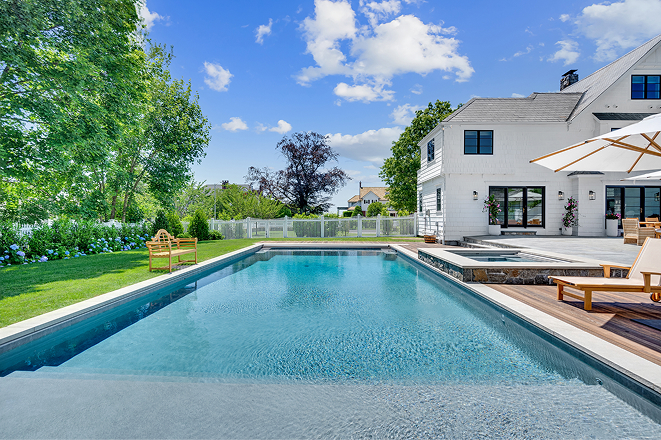
Every great pool design begins by looking at the house itself. The goal is to create a visual dialogue where the pool echoes the home’s lines, shapes, and overall character rather than competing with it.
Let Your Home’s Architecture Be the Blueprint
The most successful designs treat the pool as an extension of the home. Before you fall in love with a specific pool shape or feature, analyze the style of your home. Is it a sleek modern structure, a traditional colonial, a rustic farmhouse, or a romantic Mediterranean villa?
Choose a Pool Shape That Complements Your Home
The shape of your pool sets the tone for the entire backyard. Different shapes naturally align with different home style aesthetics.
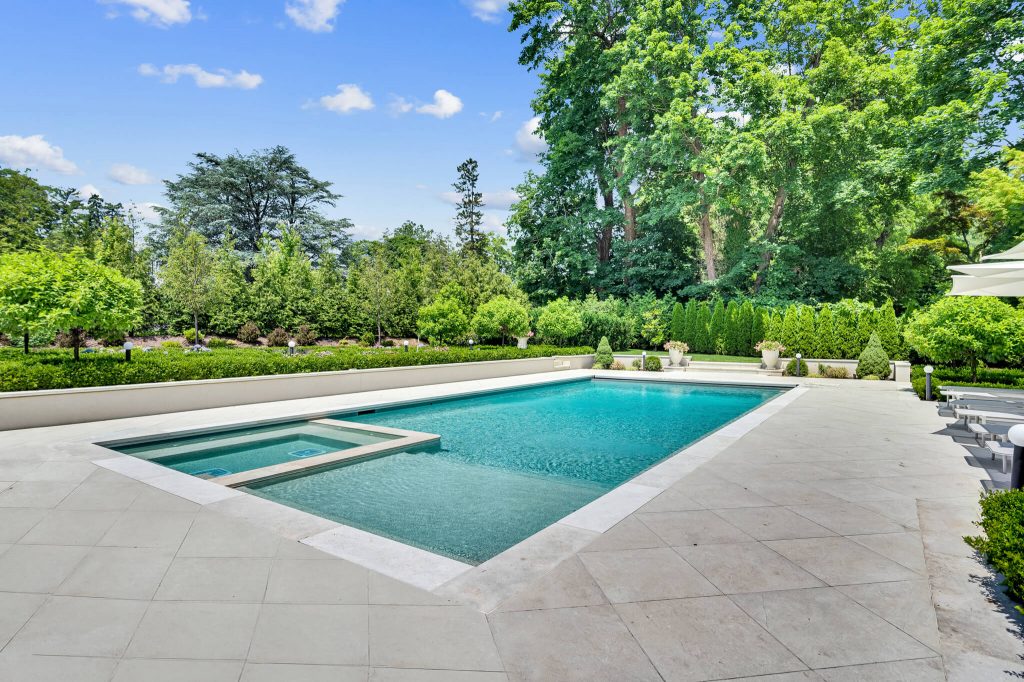
- Rectangular and Geometric Pools: These clean, crisp lines are the perfect match for modern, contemporary, and formal homes. The sharp angles of a rectangular or L-shaped pool mirror the structure of the house, creating a sense of order and sophistication.
- Freeform and Curved Pools: Organic, flowing shapes work beautifully with rustic, Mediterranean, or tropical-style homes. The soft curves of a freeform pool mimic nature, creating a relaxed, resort-like feel.
- Infinity Edge Pools: This luxury design is ideal for properties with a view. It creates a stunning visual effect of water extending to the horizon, perfect for modern and minimalist homes.
Select Materials and Finishes That Blend In
Once you have a shape, the next step is choosing materials that tie the pool to your home’s exterior. This creates a unified look, making the transition from house to patio to pool feel completely natural.
Select Decking and Stonework to Match Your Exterior
The materials surrounding your pool, known as coping and decking, are critical design elements. Look at your home’s existing materials for inspiration. If your home has a stone facade, using a similar or complementary stone for the pool deck creates instant visual harmony. Homes with wood siding pair well with warm, natural wood or composite decking.
Harmonize Pool Finishes with Your Home’s Palette
The color of your pool’s interior surface dramatically affects the water’s appearance. This color should complement your home’s exterior palette. For example, a home with a dark roof and trim might look stunning with a deep blue or black interior finish, creating a dramatic, reflective water surface.
Incorporate Water Features as Stylistic Accents
Water features should act as stylistic punctuation marks, not distractions. For a modern pool design, consider sheer descent waterfalls that create a smooth sheet of water. For a Mediterranean or rustic style, a rock waterfall or classic scuppers and sconces can add timeless character.
Use Landscaping as the Bridge Between Home and Pool Design
Landscaping is the essential connective tissue that weaves your home and pool together into a cohesive backyard oasis. Strategically placed plants, hardscaping, and lighting soften edges and create a seamless flow.
Use Greenery and Plants to Create Continuity
The plants you choose should reflect your home’s architectural style and your region’s climate. For modern homes, opt for structured, minimalist plants. For rustic homes, use native plants and flowering shrubs. For Mediterranean styles, incorporate lush greenery, potted citrus trees, and climbing vines.
Integrate Hardscape for a Seamless Transition
Pathways, patios, and retaining walls should use materials that are consistent with your home and pool deck. This extends the home’s living space outward and guides the eye naturally toward the pool area, reinforcing the idea of a single, unified environment.
Unify Your Backyard with Atmospheric Lighting
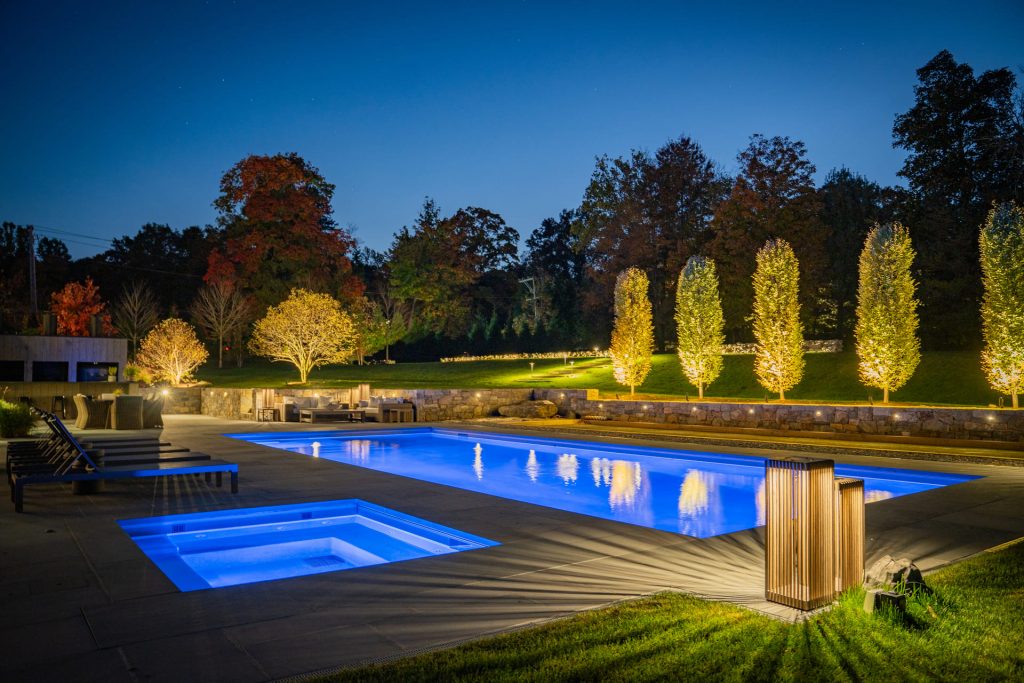
Good lighting design transforms the space at night, highlighting architectural features of both the home and the pool. Use a combination of path lights, uplighting trees, wall sconces on the house, and in-pool LED lights to create a warm, inviting, and unified atmosphere after dark.
Manage Color Palettes for Strong Visual Flow
A well-planned color scheme ensures that your entire backyard feels like a single, thoughtfully designed space. This goes beyond just the pool itself and considers the whole environment.
Balance Neutral Foundations with Bold Accents
Use neutral tones for large surfaces like the pool deck and patio to create a timeless, elegant foundation. This allows you to introduce pops of color through easily changeable elements like outdoor cushions, umbrellas, pottery, and vibrant tile accents. This strategy provides personality without overwhelming the senses.
Let Pool Water Tones Echo Your Home’s Exterior
The color of your pool water can be a powerful design tool. A deep blue water tone can beautifully reflect a home with a slate roof or navy blue trim. A light, aqua-colored water can echo the pale greens or blues found in coastal or cottage-style homes, creating a subtle but impactful connection.
Pool Design for Year-Round Cohesion
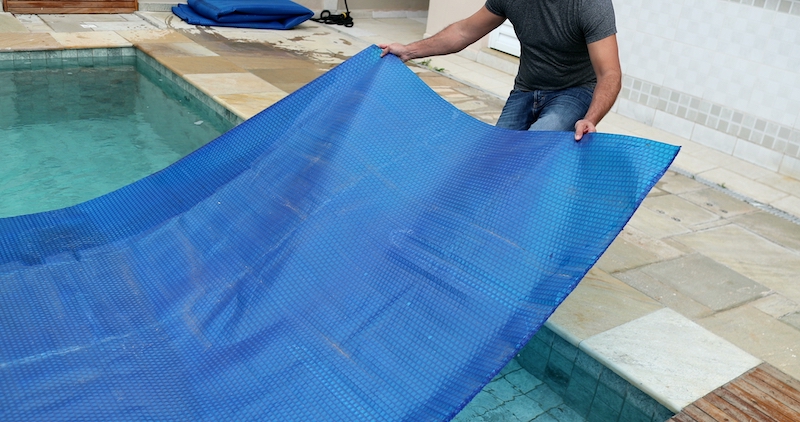
Consider how the space will look in all four seasons. Choosing materials like natural stone and incorporating evergreen plants ensures your backyard oasis remains visually appealing even when the pool is closed for the winter. This prevents the area from looking barren and maintains design integrity year-round.
Consider Space Function and Your Lifestyle
Beyond aesthetics, a successful pool design must be practical. It needs to fit the proportions of your yard and serve the way you intend to use it, whether for relaxation, entertainment, or exercise.
Match Your Pool Size to Your Yard’s Proportions
One of the most common design mistakes is installing a pool that is too large for the yard. An oversized pool can overwhelm a small backyard, leaving little room for decking, landscaping, or other activities. A professional can help you determine a pool size that feels balanced.
Strategically Position Your Pool for Sun and Shade
Before breaking ground, map the path of the sun across your property. Position the pool to receive ample sunlight throughout the day, while also considering existing trees or planning for new structures like pergolas to create shaded areas for comfortable lounging on the patio.
Pool Design That Fits How You Live
Finally, your pool should be tailored to your personal needs. Consider what features will best enhance your time outdoors.
- For Entertaining: A large patio, built-in seating, and an outdoor kitchen will wow guests.
- For Relaxation: A tanning ledge, an integrated spa, and soothing water features create a serene escape.
- For Fitness: A long, straight lap lane is essential for swimmers who want a workout.
Bring Specific Luxury Styles Into Your Backyard Oasis
Translating an architectural style into a pool design is an art. Here are a few popular examples of how to achieve a high-end, cohesive look.
Create a Modern Pool with Minimalist Edges
For a truly modern pool, focus on clean, geometric lines. Infinity edges that blend with the horizon, sleek glass tile, and minimalist coping create an aesthetic of understated elegance that perfectly complements contemporary architecture.
Design a Rustic Retreat with Natural Materials
To match a rustic or craftsman home, embrace nature. Use natural flagstone for the decking, incorporate a rock waterfall, and choose a freeform shape that mimics a natural pond or lagoon. Earthy tones and native plantings will complete this organic retreat.
Achieve Mediterranean Luxury with Classic Elements
Capture the timeless feel of a Mediterranean resort by using terracotta tiles, classic stone scuppers or fountains, and a vibrant cobalt blue waterline tile. Lush, romantic landscaping with climbing vines and large urns will transport you to a European villa.
Address Practical Pool Design Considerations from the Start
A beautiful design is only successful if it’s built on a practical foundation. Addressing logistics early in the process prevents headaches and ensures a smooth project.
Align Your Budget with Your Style Early On
Style-driven decisions impact the budget. Natural stone is more expensive than concrete pavers; an infinity edge is more complex than a standard skimmer pool. Making these key design choices upfront allows your builder to create an accurate quote and prevents a mismatch between your vision and your budget later.
Address Site Constraints Without Compromising Beauty
Nearly every property has challenges, such as underground utility lines, sloped terrain, or building setbacks. A thorough site analysis is crucial. A skilled designer can work around these constraints, for instance, by turning a slope into a stunning terraced patio or a multi-level pool design.
Collaborate with Experts to Blend Vision and Feasibility
Achieving perfect harmony between your pool and your home style requires a keen eye for design and technical expertise. Collaborating with experienced pool designers and landscape architects is the best way to ensure your vision is realized flawlessly. They are your partners in transforming your backyard into a cohesive and luxurious retreat.
Ready to design a pool that reflects your home’s unique style? At Shoreline Pools, we’ve mastered the art of blending elegance with functionality, creating backyard spaces that feel seamless and timeless. Call us today at (203) 357-1544 to start designing a pool that’s as extraordinary as your home.